
Where the Eleven Comes From
In numerology, most numbers are reduced. Twenty-nine becomes eleven becomes two. But a small set of numbers are traditionally not reduced, and eleven is the first of them. It is called a master number.
The reason is structural. Eleven is two ones standing side by side without merging. Where two is partnership and synthesis, eleven holds the tension unresolved. It is the number of the doorway, because a doorway is two uprights with a gap between them.
The qualities attached to eleven follow from that. Intuition, heightened sensitivity, insight that arrives without reasoning, and a corresponding instability. Master numbers are traditionally considered difficult rather than lucky. They are read as carrying more potential and more strain at the same time.
How 11/11 Became a Wishing Time
The wish-at-11:11 custom is comparatively recent and appears to have grown in the late twentieth century, spreading through digital clocks. There is a plain reason it took hold: a digital clock makes 11:11 visually distinct in a way an analog face never did. Four identical strokes. It catches the eye.
The custom then merged with the older numerological reading and with the idea of a portal or gate, which is a natural extension of the doorway symbolism. Layer on the date, the eleventh day of the eleventh month, and you get a date that carries more attention in this niche than any other.
None of that makes it less real as a practice. Traditions are mostly made this way. It is just worth knowing that the wishing and the symbolism arrived from different places.
Free download
Weekly Planner Templates
Four printable pages to bring your week back into focus — a weekly overview, intentions and gratitude, a habit tracker, and a weekly reflection. Undated, so you can print them again every week.
What the Traditional Reading Asks of You
Strip out the wishing and the older reading is more demanding.
Eleven is the number of the intuitive channel, and the traditional advice attached to it is not ask for what you want. It is listen. The doorway framing implies a threshold that is temporarily open, and what comes through a threshold goes in both directions.
In practice that turns the day into a receiving practice rather than a requesting one. The question is not what do I want. It is what have I been refusing to hear.
Those produce very different answers, and most people find the second one uncomfortable in a way the first never is.
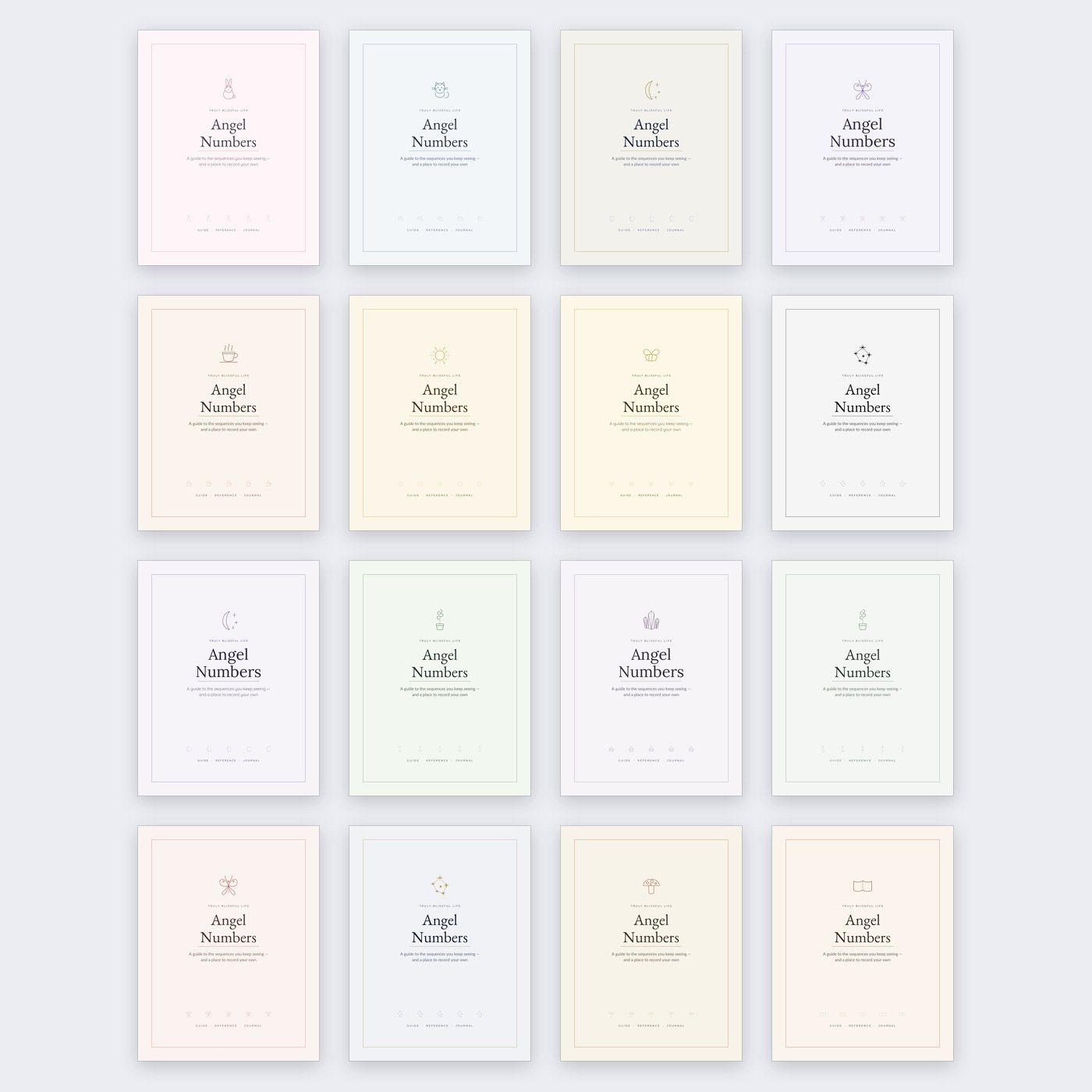
Writing them down is what turns a number you happened to notice into a pattern you can read. The Angel Numbers Guide keeps the common sequences on reference pages, with space to log your own sightings and what was going on at the time.
A Way to Use the Day
If you want to do something more substantial than the sixty-second wish, this fits in half an hour.
Ask the harder question. Write at the top of a page: what do I already know that I have not admitted? Then write for ten minutes without stopping. Most people hit it somewhere around minute seven, after the obvious material is out of the way.
Name the doorway. What are you standing in front of and not walking through? Everybody has one. Write it plainly, without the qualifications you normally attach to it.
Identify what the threshold costs. A doorway has something on the other side and something you leave behind. Name the thing you would have to give up. This is almost always the actual reason you have not gone through, and it is rarely the reason you tell people.
Then make the wish, if you want to. It lands differently after twenty minutes of honesty than it does standing at the microwave.
If You Have Been Seeing 11:11 for Months
Plenty of people report seeing it constantly, and there is a point at which the experience stops being pleasant and starts feeling like being nagged.
If that is you, the reading that tends to fit is that something has been flagged and not acted on. The number is a bookmark, and a bookmark you keep noticing and never open is how a signal turns into background noise with an edge of guilt on it.
Two options. Act on the thing, whatever it is, even in a small way. Or decide consciously that you are not going to, and say so out loud. Both of those tend to end the nagging quality. It is the unresolved hovering that produces the pressure.
Keeping the Record
Whatever you write today, date it and keep it where you will find it next November.
The most valuable thing about a fixed annual date is not the day itself. It is having a page from a year ago in your own handwriting, answering the same question, so you can see what changed and what you have now written down four years running without doing anything about it.
That second category is the one worth paying attention to.
From the shop
Angel Numbers Guide
What twelve repeating sequences traditionally mean, plus the pages to record your own. Half reference, half journal — printable, undated, US Letter and A4 included.
Get the guide — $12Keep reading


